

What is the effect of the metal frame on the mirror's stability?
Jun 19, 2025
Leave a message
When it comes to mirrors, the frame is not merely a decorative element; it plays a crucial role in the mirror's overall stability. As a long - standing supplier of metal frame mirrors, I've witnessed firsthand how different frame materials can affect a mirror's performance. In this blog, I'll delve into the effects of metal frames on a mirror's stability, exploring various aspects such as material properties, design, and environmental factors.
Material Properties of Metal Frames
One of the primary reasons metal is a popular choice for mirror frames is its inherent strength. Metals like steel, aluminum, and brass possess high tensile strength, which means they can withstand a significant amount of force without deforming. This strength is vital for maintaining the structural integrity of the mirror, especially in larger sizes. For instance, a Large Dresser Mirror requires a sturdy frame to support the weight of the glass and prevent it from cracking or breaking.
Steel frames, in particular, are known for their exceptional durability. They can resist bending and warping, even under heavy loads. This makes them an ideal choice for commercial settings or areas with high traffic, where the mirror may be subject to accidental bumps or impacts. Aluminum, on the other hand, is lightweight yet strong. It offers good corrosion resistance, which is beneficial in humid environments. Brass frames not only add an elegant touch to the mirror but also have a certain level of strength and durability. They are often used in high - end decorative mirrors.
Another important material property is the coefficient of thermal expansion. Metals expand and contract with changes in temperature. A proper understanding of this property is crucial because if the metal frame expands or contracts at a different rate than the glass, it can put stress on the mirror and lead to cracking. High - quality metal frames are designed to have a compatible coefficient of thermal expansion with the glass, ensuring long - term stability.
Design of Metal Frames
The design of the metal frame also has a significant impact on the mirror's stability. A well - designed frame should provide adequate support around the edges of the mirror. For example, a frame with a wide profile can distribute the weight of the mirror more evenly, reducing the risk of stress concentration at specific points. This is especially important for rectangular mirrors, where the corners are more vulnerable to stress.
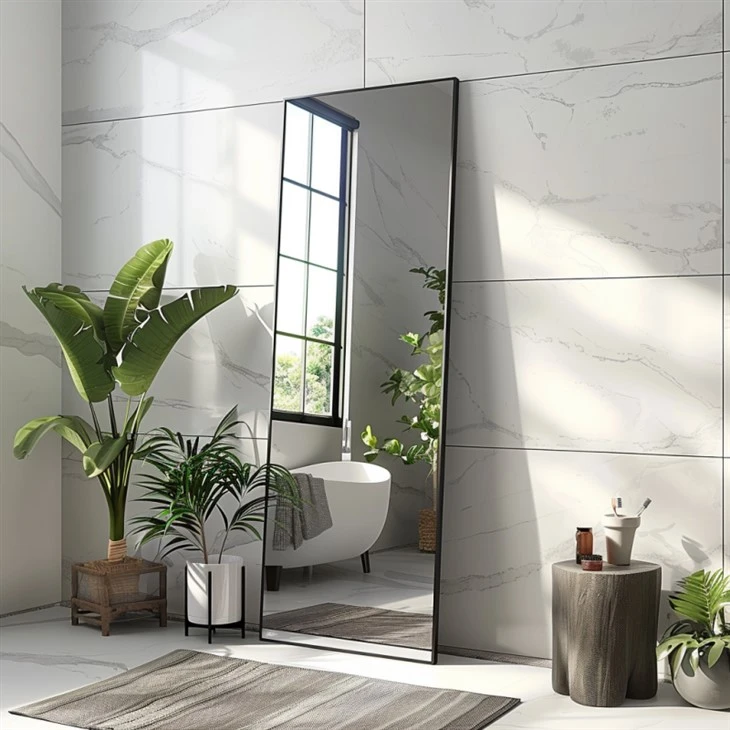
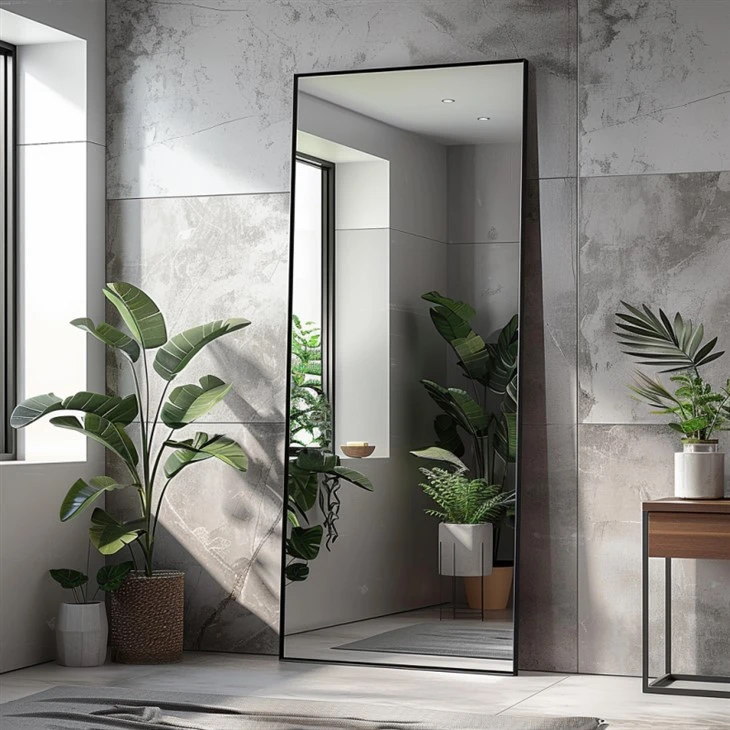
Some metal frames feature reinforcement bars or cross - braces. These additional structural elements can enhance the frame's rigidity and prevent it from flexing or bending. For a Black Metal Frame Mirror, the reinforcement can be designed in a way that complements the overall aesthetic while still providing the necessary support.
The way the frame is attached to the mirror is also critical. A secure attachment method, such as using clips, adhesives, or a combination of both, ensures that the mirror remains firmly in place. Loose or improper attachment can lead to the mirror shifting within the frame, which can compromise its stability and potentially cause damage.
Environmental Factors
Environmental conditions can have a profound effect on the stability of a metal - framed mirror. Humidity is one of the most common environmental factors. High humidity levels can cause metal to corrode over time. Corrosion weakens the metal structure, reducing its strength and potentially leading to the frame's failure. To mitigate this risk, metal frames can be treated with anti - corrosion coatings. These coatings act as a barrier between the metal and the moisture in the air, protecting the frame from rust and deterioration.
Temperature fluctuations can also pose challenges. As mentioned earlier, the difference in thermal expansion between the metal frame and the glass can cause stress. In regions with extreme temperature variations, it's important to choose a metal frame and mirror combination that can withstand these changes. For example, in a climate where the temperature can drop significantly in winter and rise in summer, a frame with a low coefficient of thermal expansion and good insulation properties may be more suitable.
Exposure to sunlight can also affect the stability of the mirror. Ultraviolet (UV) rays can cause the metal frame to fade or lose its finish over time. Additionally, prolonged exposure to sunlight can heat up the metal, which may lead to expansion and potential stress on the mirror. To protect against UV damage, some metal frames are treated with UV - resistant coatings.
Impact on Installation and Maintenance
The stability provided by a metal frame also has implications for the installation and maintenance of the mirror. A stable frame makes the installation process easier and more secure. It allows for accurate positioning and ensures that the mirror remains level and straight. This is important not only for the aesthetic appearance but also for the functionality of the mirror.
In terms of maintenance, a stable metal - framed mirror is generally easier to clean and care for. Since the mirror is firmly held in place, there is less risk of it moving or shifting during cleaning, reducing the chance of accidental damage. However, it's still important to follow proper cleaning procedures to avoid scratching the metal frame or the glass. Regular inspections of the frame for signs of corrosion, damage, or loose attachments are also recommended to ensure continued stability.
Case Studies
Let's look at a few real - world examples to illustrate the importance of metal frame stability. In a hotel lobby, a large Round Black Metal Mirror was installed. The metal frame was designed with a wide profile and reinforcement bars to support the circular shape of the mirror. Over the years, despite the high volume of guests passing by and the constant changes in temperature and humidity, the mirror has remained stable. There have been no signs of cracking or shifting, thanks to the well - engineered metal frame.
In a bathroom renovation project, an aluminum - framed mirror was chosen due to its corrosion - resistant properties. The bathroom is a high - humidity environment, and the aluminum frame has effectively protected the mirror from rust and damage. The lightweight design also made the installation process easier, and the mirror has remained stable since it was installed.
Conclusion
In conclusion, the metal frame has a profound effect on the mirror's stability. The material properties, design, and ability to withstand environmental factors all contribute to the overall performance of the mirror. As a metal frame mirror supplier, I understand the importance of providing high - quality frames that not only enhance the aesthetic appeal of the mirror but also ensure its long - term stability.
If you're in the market for a metal - framed mirror, whether it's for a residential or commercial project, I encourage you to consider the factors discussed in this blog. We offer a wide range of metal frame mirrors, including Black Metal Frame Mirror, Large Dresser Mirror, and Round Black Metal Mirror. Our team of experts can help you choose the right mirror and frame combination based on your specific needs. Feel free to contact us for more information and to discuss your procurement requirements.
References
- "Materials Science and Engineering: An Introduction" by William D. Callister Jr. and David G. Rethwisch
- "Handbook of Glass Properties" edited by David C. Allan
- Industry reports on mirror manufacturing and frame materials.